Diablo 4 vs Path of Exile 2: Gameplay Perspective
Diablo 4 has massive skill customization, Nightmare Dungeons and Paragon points so it’s a big player in the modern ARPG scene. Path of Exile 2 has skill gems, support links and an enormous passive tree to experiment with. Both have dark fantasy visuals, loot driven progression and intense boss fights but each does it differently. This post will explore the core differences between Diablo 4 and Path of Exile 2, focusing on the systems that shape your journey.
Core Gameplay Differences

Core Gameplay Differences between Diablo 4 and Path of Exile 2 revolve around movement mechanics, skill usage and overall pacing. Diablo 4 has an instant dodge roll with limited charges while Path of Exile 2 has repeated dodge rolls with a minor slow after usage. Each reflects the developer’s view on movement freedom vs controlled resource usage. Understanding these Core Gameplay Differences will help you decide which ARPG is for you.
Movement fluidity affects defensive and offensive setups in both games. Diablo 4 has a Stagger mechanic during boss fights which adds another layer of strategy for high level encounters. Path of Exile 2 relies on more random itemization during early progression while Diablo 4 clarifies gear potential through item power tiers.
Fundamental Gameplay Differences
| Feature | Diablo 4 | Path of Exile 2 |
|---|---|---|
| Dodge Mechanics | Instant dash with limited charges. | Repeated rolls with no cooldown but minor slowdown after usage. |
| Combat Pace | Moderately fast with emphasis on precise skill timing. | Slightly slower, featuring more deliberate movement and positioning. |
| Gear Power Projection | Item power tiers clarify gear upgrades at every step. | Relying on base item level and randomized affixes for gear viability. |
| Boss Interactions | Stagger mechanic for managing large health pool enemies. | Emphasis on positional awareness and avoiding major telegraphed hits. |
Positional awareness and avoiding major telegraphed hits.These Core Gameplay Differences shape the feel of each ARPG, from how you kite mobs to the overall battle experience. Diablo 4 is a mix of instant mobility and predictable gear upgrades while Path of Exile 2 rewards adaptability through an open ended item system. Despite the differences both games deliver intense action across many levels and environments. Fans say each game satisfies specific preferences for pacing and gear driven progression.
Talent and Paragon Systems: Depth vs Accessibility
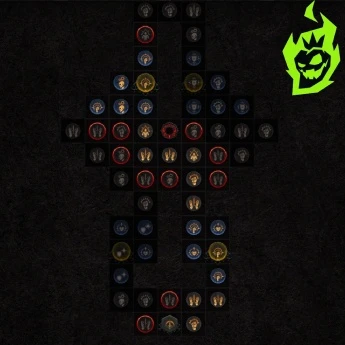
The Talent and Paragon Systems in Diablo 4 drive character growth in a structured but open way. Each class has its own skill trees that eventually branch into Paragon boards for deeper customization. Path of Exile 2 has an interconnected passive wheel available from the start with each class starting at a different node. Looking at how these Talent and Paragon Systems develop will reveal each game’s philosophy on progression.
In Diablo 4 the Paragon layer unlocks at level 50 and turns raw attribute boosts and passive benefits into strategic assets. Path of Exile 2 goes for early complexity as new characters allocate points in a massive network of nodes tied to Dexterity, Intelligence or Strength. This early immersion feels like discovery but some say it’s overwhelming at first.
Talent and Paragon Comparisons
| System Aspect | Diablo 4 | Path of Exile 2 |
|---|---|---|
| Talent Progression | Class-based skill trees with branching paths | Unified passive wheel for all classes |
| Paragon or Passive Boards | Unlocked at level 50 with upgradable glyphs | Available from early game, building complexity over many nodes |
| Reset Mechanics | Limited respec for skill points, incremental cost | Orbs of Regret for selective node removal, encourages planning |
| Complexity Level | Moderate complexity, focuses on synergy and synergy combos | High complexity, featuring near-endless theorycrafting |
These Talent and Paragon Systems show each game’s commitment to personalization even if the learning curve is different. Diablo 4 is more direct for those who like detailed growth while Path of Exile 2 is an adventure for those who want to try unique builds. Each approach ensures extended replay value by giving multiple ways to specialize your character. The result is a lot of options whether you prefer structured progression or open ended experimentation.
Comparing Loot and Crafting Approaches
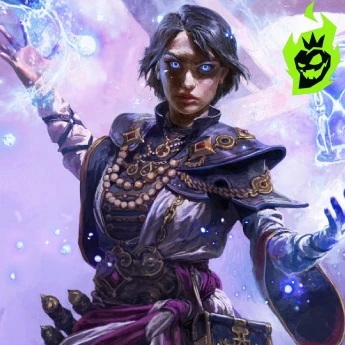
Loot and Crafting Systems often show the philosophical difference between Diablo 4 and Path of Exile 2. Diablo 4 introduces item power, direct enchantments and the Codex of Power to guide gear upgrades. Path of Exile 2 focuses on orbs that modify item rarity, affixes and sockets, encouraging repeated attempts for optimal results. Looking at these Loot and Crafting Systems will reveal the risk-versus-reward structures built into each game.
Loot-based ARPGs are all about the thrill of finding that one perfect item. In Diablo 4 legendary aspects from dropped gear or extracted items give customized skill boosts. In Path of Exile 2 it’s incremental crafting steps using orbs like Transmutation, Regal or Exalted to shape item properties.
Loot and Crafting Distinctions
| Factor | Diablo 4 | Path of Exile 2 |
|---|---|---|
| Item Rarity System | Common, Magic, Rare, Legendary, Unique | Normal, Magic, Rare, Unique, with emphasis on varied orb-based crafting |
| Main Crafting Resources | Various enchantment materials, Legendary Aspects, and gold-based rerolls | Currency orbs (Chaos, Exalted, Divine) for upgrading rarity, modifying affixes, and rerolling |
| Upgrade Mechanics | Item Power influences base stats; reroll one affix at the Mystic; apply or extract aspects for skill synergy | Orb-based system featuring Transmutation, Alteration, Exalted, and more to refine existing gear and create new items |
| Risk and Randomization | Moderate randomness, mild gold cost for repeated attempts | High randomness, risk of losing valuable affixes or having to begin the process again if results are unsatisfactory |
These Loot and Crafting Systems show each developer’s stance on item progression from incremental tinkering to high-stakes improvement. Diablo 4 has a balanced path for those who like consistent upgrades while Path of Exile 2 injects excitement through higher risk in every crafting orb. Loot variety ensures repeated exploration as new gear combinations will change a character’s power level. Both ways keep players invested through gear experimentation.
Campaign Progression and Replay Value
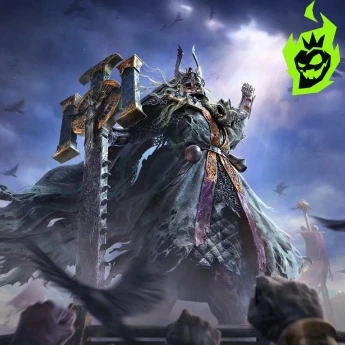
Campaign Progression and Replay Value are key to long term fun. Diablo 4 has a darker narrative across multiple acts with side content like strongholds, Helltides and unique side quests. Path of Exile 2 has a linear storyline but allows players to reset zones for extra experience and items. Looking at Campaign Progression and Replay Value will reveal each game’s approach to story-based leveling.
- Skip Campaign in Diablo 4 after one completion, unlocks direct access to open-world leveling.
- Zone Resets in Path of Exile 2 allow repeated monster clears for extra experience.
- Season Rollover for both games typically brings new storyline elements or timed events.
- Difficulty Tiers might reward advanced loot or cosmetic items upon completing endgame content.
Playing these systems for growth will shape how players build alts, earn resources and discover hidden story arcs. Diablo 4 has a more fluid journey with fewer mandatory replays, Path of Exile 2 relies on repeated campaigns with fresh league mechanics. Both ways will have players revisit old areas with new power and strategies. Campaign Progression and Replay Value are therefore crucial in keeping each game engaging across multiple seasons.
Final Thoughts on Diablo 4 vs Path of Exile 2
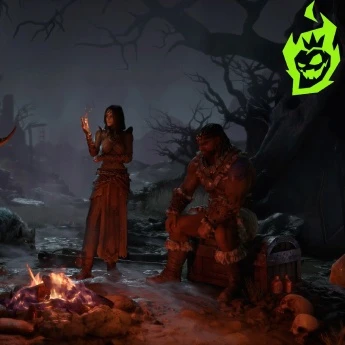
Diablo 4 vs Path of Exile 2 Final Thoughts is about each game’s unique mix of character progression, loot and overall challenge. Some players like the structured talents and item power scaling in Diablo 4, others enjoy the open-ended skill gems and orb-based crafting in Path of Exile 2. Both games are at the top of the ARPG genre, each delivering a different power fantasy through intense dungeon crawling. By looking at Diablo 4 vs Path of Exile 2 Final Thoughts it’s clear that both games reward creativity and commitment in their own way.
Numbers show strong adoption for both games, millions of players trying out various endgame modes. Average completion times differ, around 20–30 hours for Diablo 4 and slightly longer for Path of Exile 2 due to zone resets. Here’s a quick look at the final stats for both ARPGs and how each might fit your playstyle.
Final Comparison Metrics
| Category | Diablo 4 | Path of Exile 2 |
|---|---|---|
| Average Campaign Time | Approximately 20–30 hours | Often 25–40 hours (with optional grinds) |
| Early-Game Complexity | Moderate, straightforward skill trees | High, immediate access to large passive wheel |
| Dodge Roll Style | Limited-charge dash | Unlimited usage with a minor slow post-roll |
| Item Crafting Ease | Direct enchantments, item power emphasis | Orb-based system with randomized affixes |
| Seasonal Approach | Battle Pass, theme-based events | League mechanic with new challenges every few months |
Diablo 4 vs Path of Exile 2 Final Thoughts shows that both games keep the core ARPG spirit of killing hordes, collecting epic items and progressing through different skill systems. Diablo 4 has a more streamlined leveling, polished cutscenes and integrated social features like clan systems. Path of Exile 2 appeals to those who enjoy high-risk crafting, complex synergy and deep item theory. In any case, players are drawn to the thrill of forging their own destiny, weaving creativity into every build.
Related News



 English


